Within the vibrant loom of history, where threads of culture intertwine, there exists a tapestry as rich and diverse as the African continent itself: Kente cloth. Its vibrant hues and intricate patterns captivate the eye, inviting us to unravel the captivating story woven into its fabric. In this tapestry, tradition meets modernity, as weavers continue
to preserve their ancestral art form
while infusing it with contemporary flair. Embark on a journey with us as we delve into the allure of Kente cloth, discovering the cultural significance, craftsmanship, and enduring legacy
behind this iconic African textile.
Table of Contents
Table of Contents
- 1 Table of Contents
- 2 The Tapestry of Time: Unraveling the History of Kente Cloth
- 3 The Symphony of Threads: Exploring the Artistic Techniques of Kente Weaving
- 4 The Language of Symbolism: Decoding the Patterns and Colors of Kente Designs
- 5 Preserving the Threads of Heritage: Recommendations for Conservation and Appreciation of Kente Cloth
- 6 Q&A
- 7 In Conclusion
- The Tapestry of Time: Unraveling the History of Kente Cloth
- The Symphony of Threads: Exploring the Artistic Techniques of Kente Weaving
- The Language of Symbolism: Decoding the Patterns and Colors of Kente Designs
- Preserving the Threads of Heritage: Recommendations for Conservation and Appreciation of Kente Cloth
- Q&A
- In Conclusion

The Tapestry of Time: Unraveling the History of Kente Cloth
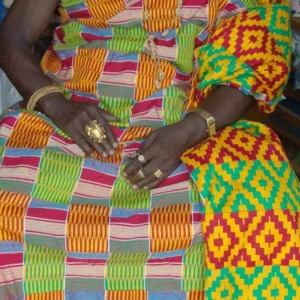
In the tapestry of time, Kente cloth has been woven with threads of tradition and cultural significance. Its intricate patterns and vibrant colors tell a story of heritage and artistic brilliance. Originating in the Ashanti Kingdom of present-day Ghana, Kente cloth was once reserved for royalty and esteemed individuals. Each intricate pattern holds a specific meaning and symbolism, conveying messages of power, belonging, and special occasions.
The process of weaving Kente cloth is an art form in itself. Using looms made of local wood, weavers meticulously interlace strips of hand-spun cotton or silk to create the distinctive patterns. The colors, ranging from earthy browns and golden hues to vibrant reds and blues, are achieved through intricate dyeing techniques passed down from generation to generation. The result is a masterpiece that embodies the skill and artistry of its creators, each piece a unique expression of Ghana’s rich cultural heritage.
The Symphony of Threads: Exploring the Artistic Techniques of Kente Weaving
Kente Weaving: A Tradition Rich in Symbolism and Meaning
Unraveling the artistry of Kente weaving is akin to untangling a tapestry of cultural heritage. The vibrant threads, deftly manipulated by skilled artisans, embody the narratives of a people. Each vibrant hue, intricate pattern, and arrangement of motifs carries a specific meaning, reflecting lineage, status, and life events within Ghanaian society. The designs, passed down through generations, serve as a living record of the community’s history and beliefs.
Technical Mastery: The Loom and the Weaver’s Craft
The symphony of Kente threads begins with the construction of a loom, the weaver’s indispensable companion. These indigenous looms, assembled from locally sourced materials, serve as the foundation for the intricate patterns that will emerge. Armed with their looms and an arsenal of colored yarns, weavers meticulously manipulate the threads, creating a rhythmic interplay of warp and weft. The weavers’ deft hands move with precision, guided by an intimate understanding of the material and an artistic intuition honed through years of practice. The resulting cloth is a testament to the incredible skill and artistry of these master weavers, each piece a symphony of threads woven into a vibrant tapestry of tradition.
The Language of Symbolism: Decoding the Patterns and Colors of Kente Designs
Unveiling the Significance of Patterns and Colors:
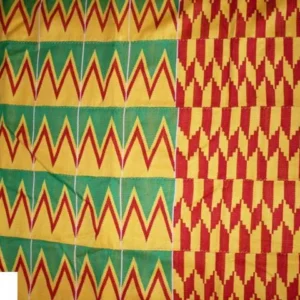
Kente cloth weaves a rich tapestry of history, tradition, and cultural significance. Each pattern and color holds a specific meaning, offering a window into the intricate language of symbolism. Gold, the most prevalent color, signifies wealth, prestige, and spirituality. Red represents vitality, passion, and bloodshed in battle, while blue symbolizes peace, harmony, and the sky. Green embodies nature, growth, and prosperity, while black represents wisdom, maturity, and mourning.
The geometric patterns, woven with meticulous precision, convey various messages: stars represent guidance and wisdom; birds, fertility and freedom; and crocodiles, strength and protection. Interwoven stripes signify unity and community, while checkerboards symbolize balance and stability. Animal motifs, such as elephants and turtles, embody power and longevity. Together, these intricate designs form a captivating narrative, paying homage to the rich history and cultural heritage of the Ashanti people of Ghana.
| Pattern | Meaning | Color | Symbolism |
|—|—|—|—|
| Stars | Guidance, wisdom | Gold | Wealth, prestige, spirituality |
| Birds | Fertility, freedom | Red | Vitality, passion, bloodshed in battle |
| Crocodiles | Strength, protection | Blue | Peace, harmony, the sky |
| Stripes | Unity, community | Green | Nature, growth, prosperity |
| Checkerboards | Balance, stability | Black | Wisdom, maturity, mourning |
Preserving the Threads of Heritage: Recommendations for Conservation and Appreciation of Kente Cloth
Recommendations for Conservation and Appreciation
To preserve the cultural and historical significance of Kente cloth, it is crucial to implement responsible conservation and appreciation practices.
Establish Preservation Guidelines:
– Document Traditional Techniques: Collaborate with master weavers to document and preserve traditional dyeing, weaving, and storage methods, ensuring the continuation of authentic craftsmanship.
- Control Environmental Conditions: Provide adequate storage facilities with controlled temperature, humidity, and light levels to prevent damage from environmental factors.
– Regular Maintenance: Offer regular cleaning, repair, and restoration services to maintain the integrity and beauty of Kente cloths.
– Education and Awareness: Initiate programs to educate the public on the cultural significance and proper handling of Kente cloth, fostering appreciation and safeguarding its heritage.
Promote Ethical Use and Ownership:
– Encourage Authentic Repurposing: Allow modified uses of Kente cloth, such as in fashion or art, while respecting traditional practices and cultural sensitivities.
- Support Ethical Production: Promote fair trade practices to ensure that weavers and artisans are adequately compensated for their skills and creativity.
– Encourage Cultural Exchange: Facilitate cultural exchanges between traditional Kente weavers and contemporary designers, fostering collaboration and mutual inspiration.
Q&A
Weaving a Tapestry of Tradition: The Allure of Kente Cloth
Q: What is Kente cloth?
A: Kente cloth is an exquisite woven fabric renowned for its vibrant colors and intricate patterns. Originating in the Ashanti region of Ghana, this centuries-old textile is a symbol of cultural identity and prestige.
Q: What materials are used to make Kente cloth?
A: Traditionally, Kente cloth was woven using silk threads. However, with time, cotton threads have become more prevalent, making the fabric accessible to a wider audience.
Q: How are the patterns and designs created?
A: The intricate patterns and designs on Kente cloth are created using a loom. The weaver interlaces threads of different colors, painstakingly crafting each motif by hand.
Q: What cultural significance does Kente cloth hold?
A: Kente cloth is deeply woven into the cultural fabric of West Africa. It represents history, tradition, and status. Each pattern and color carries a specific meaning, often signifying the wearer’s societal role, lineage, or aspirations.
Q: How is Kente cloth typically worn?
A: Kente cloth is worn in a variety of ways, including as wraps, shawls, shirts, and dresses. It adds a touch of regality and elegance to any outfit.
Q: Why is Kente cloth so popular today?
A: Kente cloth has gained global recognition for its vibrant colors, unique designs, and cultural significance. It is celebrated not only in West Africa but also in fashion and art circles worldwide.
Q: How can I incorporate Kente cloth into my wardrobe?
A: Kente cloth offers endless possibilities for stylish incorporation. Whether it’s a bold wrap dress, a statement scarf, or an eye-catching accessory, this fabric adds a touch of cultural richness to any ensemble.
In Conclusion
As the vibrant threads of kente cloth
continue to captivate the world, they serve as a poignant reminder of the enduring legacy woven into every fabric. From royal courts to contemporary fashion, kente remains an emblem of cultural heritage, artistry, and timeless beauty. May this tapestry of tradition forever inspire and enchant those who behold its intricate allure, connecting us across time and boundaries.