Kente Cloth: Weaving Ancient Traditions into Modern Style
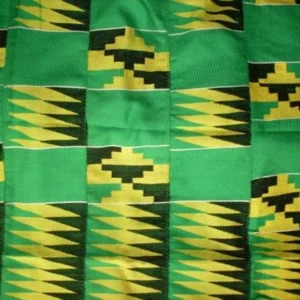
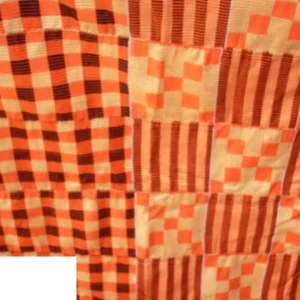
Kente cloth, a vibrant tapestry of interwoven threads, represents more than just fabric; it embodies a rich history, cultural heritage, and artistic ingenuity. Originating from the Ashanti Kingdom in present-day Ghana, Kente has evolved from a royal cloth reserved for special occasions to a globally recognized symbol of African identity and pride. This article delves into the fascinating world of Kente,exploring its origins,intricate weaving process,cultural significance,and its growing influence on modern fashion.
A Legacy Woven in Time: The History of Kente Cloth
Table of Contents
- 1 A Legacy Woven in Time: The History of Kente Cloth
- 2 From Loom to Masterpiece: The Art of Kente Weaving
- 3 The Language of Color and Pattern: Decoding Kente Symbolism
- 4 Kente in the 21st Century: From Tradition to trend
- 5 Preserving the heritage: The Future of Kente Weaving
- 6 Practical Tips for Incorporating Kente into Your Style
- 7 Conclusion
Legend has it that two brothers from the Ashanti Kingdom, Kuragu and Ameyaw, learned the art of weaving by observing a spider spinning its web. Inspired by the intricate patterns, they crafted the first Kente cloth, presenting it to their king. This marked the beginning of a rich tradition dating back to the 12th century.
Historically, Kente was exclusively worn by royalty and the elite, signifying their status and power. Each design and colour held symbolic meaning, reflecting proverbs, past events, social status, and even religious beliefs. This tradition of imbuing meaning into the cloth adds another layer of depth to its artistic value.
From Loom to Masterpiece: The Art of Kente Weaving
The creation of Kente cloth is a labor-intensive process demanding skill, patience, and artistic vision. Traditionally woven on narrow strip looms by male weavers, the process involves interlacing silk and cotton yarns to create intricate geometric patterns. These strips, typically four inches wide, are then sewn together to form larger pieces of cloth.
- Materials: Silk and cotton yarns are the primary materials used, historically dyed using natural pigments derived from plants and minerals.
- The Loom: A traditional horizontal treadle loom is used, requiring the weaver to manipulate multiple pedals and shuttles to create the desired pattern.
- The Process: Weaving Kente is a meticulous process involving intricate hand movements to interlace the threads,building the pattern row by row.
The Language of Color and Pattern: Decoding Kente Symbolism
Kente is not merely decorative; it communicates.Each color and pattern carries a specific meaning, creating a visual language woven into the fabric.
| Color | Meaning |
|---|---|
| Gold | Royalty, wealth, spirituality |
| Yellow | Fertility, preciousness, holiness |
| Green | Growth, harvest, renewal |
| Blue | Peace, harmony, love |
| Red | Political power, passion, bloodshed |
| Black | Maturity, spiritual strength, ancestors |
Kente in the 21st Century: From Tradition to trend
While maintaining its deep cultural roots, Kente has transcended geographical boundaries and entered the global fashion scene. From high-fashion runways to everyday streetwear, Kente patterns are being incorporated into various garments and accessories.
- Fashion Statements: Kente prints appear on dresses, jackets, skirts, and even footwear, adding a vibrant and culturally rich touch to modern wardrobes.
- Accessories: Kente-inspired bags,scarves,jewelry,and headwraps offer subtle ways to incorporate this beautiful textile into one’s style.
- Home Decor: Kente patterns are also making their way into home decor, appearing on cushions, throws, wall hangings, and other decorative items.
Preserving the heritage: The Future of Kente Weaving
As Kente gains global recognition, preserving the traditional weaving techniques and the cultural knowledge associated with it becomes crucial. Efforts are being made to support local artisans, promote fair trade practices, and educate younger generations about the importance of this cultural heritage.
Practical Tips for Incorporating Kente into Your Style
- Start Small: Begin by adding a Kente accessory, like a scarf or a piece of jewelry, to your outfit.
- Mix and Match: Pair Kente with neutral colors to let the vibrant patterns stand out.
- Respect the Culture: Be mindful of the cultural significance of Kente and avoid wearing it in ways that might be deemed disrespectful.
Conclusion
Kente cloth, a testament to the artistry and cultural richness of the Ashanti people, continues to weave its way through history and into the hearts of people worldwide. It serves as a reminder of the power of tradition, the beauty of craftsmanship, and the importance of preserving cultural heritage for generations to come.Whether adorning royalty or gracing the runways of fashion capitals, Kente cloth remains a powerful symbol of African pride and a vibrant expression of artistic legacy.