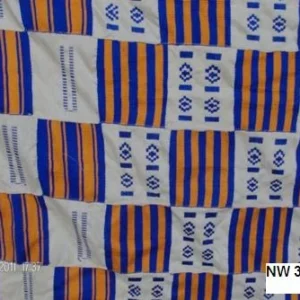
Kente Cloth: unveiling the Rich History and Symbolism Woven Within
Kente cloth, a vibrant and intricately woven textile, is more than just fabric; it’s a visual representation of history, philosophy, and cultural identity. Originating from the Ashanti Kingdom in present-day Ghana, Kente has captivated the world with its bold colors, geometric patterns, and rich symbolism.This article delves into the fascinating story of Kente, exploring its origins, meaning, modern resurgence, and the dedicated artisans who continue this ancient tradition.
A Legacy Woven in threads: The History of Kente
Table of Contents
Legend has it that two brothers, Kuragu and Ameyaw, from the village of Bonwire, learned too weave by observing a spider spinning its web. Inspired by the intricate patterns, they created the first Kente cloth, originally called nsaduaso or nwentoma, meaning “woven cloth.” Over centuries,Kente weaving evolved,becoming a highly specialized craft passed down thru generations. Traditionally reserved for royalty and important occasions, Kente served as a symbol of prestige, power, and spiritual connection.
Decoding the Cloth: The Language of Kente
Each Kente cloth tells a story. The vibrant colors and intricate designs aren’t merely aesthetic choices; they carry deep symbolic meaning. From representing historical events and proverbs to expressing social status and spiritual beliefs, the symbolism of Kente is a complex and fascinating language.
| Color | Meaning |
|---|---|
| gold | Royalty, wealth, status, glory |
| Yellow | Fertility, sanctity, preciousness |
| Green | Growth, harvest, renewal, spiritual healing |
| Blue | Peace, harmony, love, good fortune |
| red | Political passion, bloodshed, strong spiritual feelings |
| Black | Maturity, intensified spiritual energy, mourning |
Kente in the Modern World: A Cultural Renaissance
While deeply rooted in tradition, Kente has experienced a global resurgence, appearing on fashion runways, in contemporary art, and as a powerful symbol of African heritage. Designers are incorporating Kente patterns into modern clothing, accessories, and home décor, introducing the vibrant textile to new audiences and reimagining its place in contemporary society.
The artisans: Guardians of Tradition
The artistry of Kente weaving is a demanding and intricate process, requiring years of practice and a deep understanding of the craft. From the meticulous planning of the silk and cotton threads to the rhythmic clicking of the loom, each step is imbued with tradition and skill. Meeting the artisans who dedicate their lives to preserving this heritage offers a profound appreciation for the time, effort, and passion woven into every piece of Kente cloth.
Preserving the Legacy: The Future of Kente
Ensuring the future of Kente weaving relies on supporting the artisans and educating future generations about its cultural significance. Initiatives that promote fair trade practices, provide training opportunities, and celebrate the artistry of Kente help to safeguard this invaluable heritage for generations to come.
Practical Tips for Appreciating Kente
- When purchasing Kente, look for authentically handcrafted pieces to support the artisans directly.
- Learn about the specific meanings of the colors and patterns to deepen your appreciation for the cloth’s symbolism.
- care for your Kente by following appropriate cleaning instructions to preserve its vibrant colors and intricate weave.
Conclusion
Kente cloth is more than just a lovely textile; it is a living testament to a rich cultural heritage. From its ancient origins in the Ashanti Kingdom to its contemporary interpretations on the global stage, Kente continues to inspire and captivate. By understanding its history, symbolism, and the dedication of the artisans who keep this tradition alive, we can truly appreciate the depth and beauty woven within each thread of this remarkable cloth.