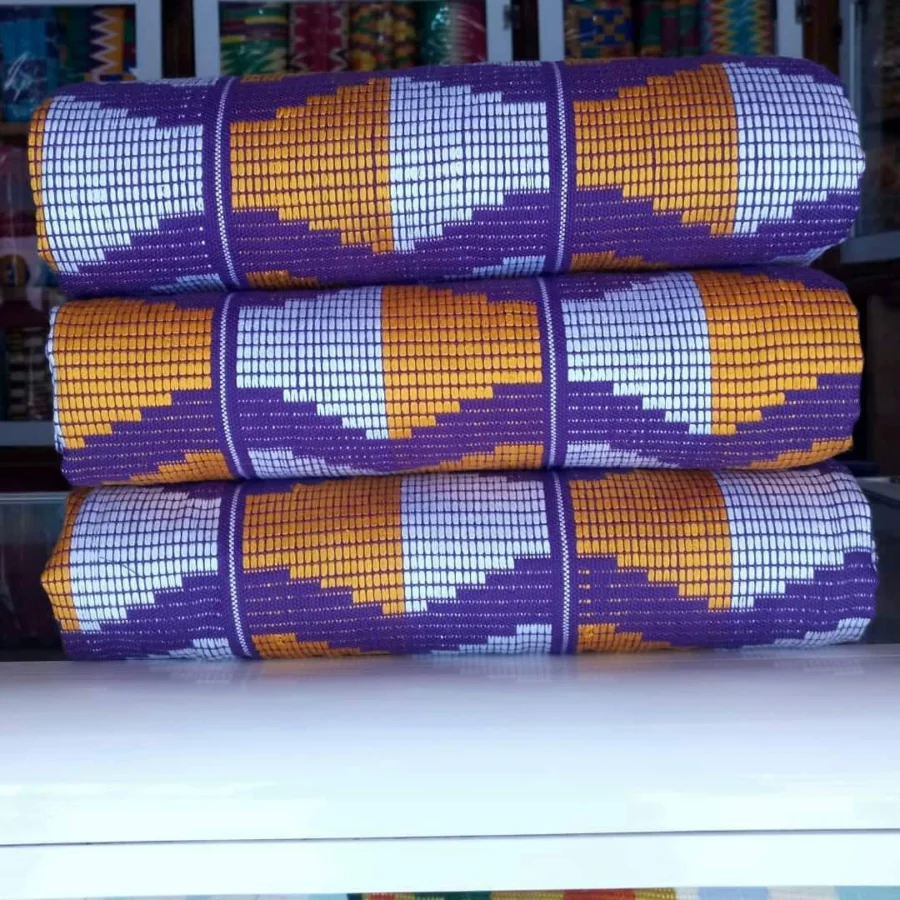
A Tapestry of Tradition: Exploring Ghanaian Culture and Kente Cloth

Ghana, a West African nation brimming with vibrant culture and rich history, offers a captivating glimpse into traditions that have been passed down through generations. For Australians seeking a deeper understanding of global cultures, exploring Ghana provides a unique and enriching experience. From the iconic Kente cloth to elaborate marriage and funeral customs, Ghanaian society presents a fascinating tapestry of beliefs and practices.
Table of Contents
- Introduction
- Kente Cloth: A Woven Language
- Marriage Traditions: A Union of Families
- Wedding Ceremonies: Festivities and Symbolism
- Funeral Rites: Honoring the Departed
- Cultural Displays: Music, Dance, and Festivals
- FAQs
- Summary
Introduction
Ghana’s cultural heritage is deeply rooted in its history, influenced by its various ethnic groups, including the Ashanti, Ewe, and Ga. Each group contributes unique customs and traditions, creating a diverse and dynamic cultural landscape. This post aims to provide an overview of some key aspects of Ghanaian culture, focusing on Kente cloth, marriage traditions, wedding ceremonies, funeral rites, and cultural displays, with a perspective tailored for an Australian audience.
Kente Cloth: A Woven Language
Kente cloth, originating with the Ashanti people, is perhaps the most recognizable symbol of Ghanaian culture. This vibrant, handwoven textile is traditionally made from silk and cotton and is characterized by its intricate patterns and bold colors. Each color and pattern carries a specific meaning, conveying proverbs, historical events, or philosophical concepts. Wearing Kente cloth is often reserved for special occasions, such as weddings, funerals, and festivals, signifying prestige and importance. Think of it as a visual language, each thread telling a story.
For Australians familiar with Aboriginal art, the symbolic nature of Kente cloth might resonate. Just as Aboriginal dot paintings communicate stories and ancestral connections, Kente cloth weaves together history, philosophy, and cultural identity.
Marriage Traditions: A Union of Families
Marriage in Ghana is not simply a union between two individuals; it’s a significant event that binds two families together. Traditionally, the process involves several stages, including:
- Knocking on the Door (Kokooko): The groom’s family formally approaches the bride’s family to express their intentions.
- Engagement Ceremony (Aseda): Gifts and drinks are presented to the bride’s family to thank them for raising her.
- Bride Price (Dowry): A negotiated settlement of goods and money paid by the groom’s family to the bride’s family. This is not seen as buying the bride but as a token of appreciation for her upbringing and a symbol of the groom’s commitment to providing for her.
These traditions emphasize the importance of family involvement and community support in marriage. They reflect a collectivist culture where relationships are highly valued.
Wedding Ceremonies: Festivities and Symbolism
Ghanaian wedding ceremonies are often grand and elaborate affairs, filled with vibrant colors, music, and dance. They can last for several days and involve numerous rituals. Common elements include:
- Traditional Attire: The bride and groom often wear brightly colored Kente cloth or other traditional garments.
- Libation: A ritual pouring of liquid (often alcohol) to invoke the ancestors and seek their blessings.
- Presentation of Gifts: The couple receives gifts from family and friends to help them start their new life together.
- Dancing and Music: Highlife music and traditional dances are integral parts of the celebration, creating a festive and joyous atmosphere.
The wedding ceremony is a celebration of love, family, and community, reflecting the importance of these values in Ghanaian society.
Funeral Rites: Honoring the Departed
Funerals in Ghana are elaborate and significant events, often lasting for several days. They are viewed as a time to honor the deceased, mourn their loss, and celebrate their life. Key aspects of Ghanaian funeral rites include:
- Elaborate Coffins: Often custom-made in the shape of objects related to the deceased’s profession or interests (e.g., a fish for a fisherman, a car for a driver).
- Wailing and Mourning: Public displays of grief are common, with professional mourners sometimes hired to lead the wailing.
- Funeral Processions: The deceased is carried through the streets in a procession, often accompanied by music and dancing.
- Burial or Cremation: Burial is the more traditional practice, but cremation is becoming increasingly common.
- Memorial Services: Held to remember and celebrate the life of the deceased.
Funerals are considered a crucial part of the transition from life to the afterlife and are a significant cultural obligation.
Cultural Displays: Music, Dance, and Festivals
Ghana’s vibrant culture is also expressed through its music, dance, and festivals. Highlife music, a fusion of traditional Ghanaian rhythms and Western instruments, is popular throughout the country. Traditional dances, such as the Adowa and Kpanlogo, are performed at ceremonies and festivals. Annual festivals, like the Homowo festival of the Ga people and the Odwira festival of the Ashanti, celebrate harvests, ancestors, and cultural heritage. These events provide opportunities to experience the richness and diversity of Ghanaian culture firsthand.
FAQs
- What is the significance of Kente cloth?
- Kente cloth is a symbolic textile that conveys proverbs, historical events, and philosophical concepts through its colors and patterns.
- Why is family so important in Ghanaian culture?
- Ghana is a collectivist society where family and community ties are highly valued. Decisions are often made collectively, and individuals are expected to support their families.
- Are Ghanaian wedding ceremonies always elaborate?
- While traditional weddings are often grand, modern Ghanaian weddings can range from simple and intimate affairs to large and extravagant celebrations.
- What should I wear if I attend a Ghanaian funeral?
- Traditionally, mourners wear black or dark clothing. However, during celebrations of life, brighter colors may be worn. It’s best to inquire about the specific dress code beforehand.
Summary
Ghanaian culture offers a rich and fascinating glimpse into traditions shaped by history, family values, and a deep connection to the past. From the vibrant Kente cloth to the elaborate rituals surrounding marriage and death, Ghanaian society presents a unique and compelling cultural landscape. Understanding these traditions can provide Australians with a greater appreciation for the diversity of global cultures and the enduring power of heritage.