beyond the Beaches: Discovering the Soul of Ghana
Ghana, a vibrant nation on the West African coast, offers more than just stunning beaches and lush landscapes. Its true beauty lies in the rich tapestry of its culture, woven with intricate traditions, captivating arts, and deeply rooted values. This journey delves beyond the typical tourist experience, uncovering the heart and soul of Ghana.
The Power of Adinkra: Unveiling Ghanaian Symbols and Their Meanings
Table of Contents
- 1 The Power of Adinkra: Unveiling Ghanaian Symbols and Their Meanings
- 2 A Festivity of Life: Exploring Ghana’s Vibrant Festivals
- 3 The Heart of Ghana: Understanding its Cultural Values
- 4 Ghanaian Arts: A symphony of creativity
- 5 Ghanaian Cuisine: A Taste of Tradition
- 6 Conclusion: The Enduring Spirit of Ghana
adinkra symbols are visual representations of complex proverbs and concepts, central to Ghanaian culture. These intricate designs, often stamped on cloth, pottery, and walls, tell stories of wisdom, courage, hope, and more. Exploring the meanings behind these symbols offers a fascinating glimpse into the philosophical underpinnings of Ghanaian society.
| Adinkra Symbol | Meaning |
|---|---|
| Gye Nyame (Except God) | Supremacy of God |
| Sankofa (Go back and get it) | Learning from the past |
| Duafe (Wooden comb) | Femininity and beauty |
A Festivity of Life: Exploring Ghana’s Vibrant Festivals
From the vibrant drumming and dancing of the Homowo festival to the colorful costumes and processions of the Aboakyer deer hunting festival, Ghana’s calendar is punctuated by a rich tapestry of cultural celebrations. These festivals, often deeply rooted in ancestral traditions, offer a dynamic and engaging window into the spiritual beliefs and communal values of different ethnic groups across the country.
- Homowo Festival: celebrated by the Ga people, marking a historical period of famine and migration.
- Aboakyer Festival: Celebrated by the people of Winneba, involving the ritualistic hunting of a deer.
- Kundum Festival: Celebrated by the Ahanta and Nzema people, marking the end of the harvest season.
The Heart of Ghana: Understanding its Cultural Values
Ghanaian culture is deeply rooted in values that emphasize community, respect for elders, and hospitality. Family plays a central role, with extended family networks providing vital support and guidance. hospitality is a cornerstone of Ghanaian society, and visitors are often greeted with warmth and generosity.
Family Values in Ghana: The Foundation of Society
Family ties are paramount in Ghana. extended families live together, sharing responsibilities and supporting one another. Respect for elders is deeply ingrained, and their wisdom is highly valued in decision-making processes.
Hospitality in Ghana: The Akwaaba Spirit
The word “Akwaaba,” meaning “welcome,” encapsulates the spirit of Ghanaian hospitality. Visitors are often welcomed into homes and offered food and drink as a sign of respect and friendship. This warm and welcoming culture creates a sense of belonging for both locals and visitors alike.
Ghanaian Arts: A symphony of creativity
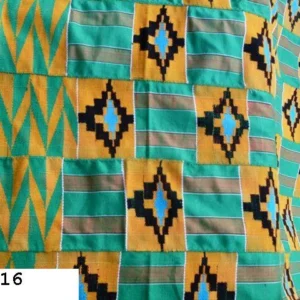
From the intricate kente cloth to the captivating rhythms of highlife music and the expressive movements of traditional dances, Ghanaian arts reflect the vibrant spirit of its people. These art forms are not merely entertainment; they are powerful mediums for storytelling, preserving history, and expressing cultural identity.
Ghanaian Music and Dance: The Rhythm of Life
Ghanaian music is a vibrant blend of traditional and modern influences. Highlife, a genre that originated in Ghana, fuses indigenous rhythms with European brass band music. Traditional dances, often performed during festivals and ceremonies, are expressive and energetic, reflecting the joy and vitality of ghanaian culture.
ghanaian Art: A Visual Feast
ghanaian art takes many forms, from wood carvings and pottery to textiles and paintings. Kente cloth, a brightly colored woven fabric, is a symbol of national pride and cultural identity. Each design and color combination carries symbolic meaning, adding another layer of depth to this exquisite art form.
Ghanaian Cuisine: A Taste of Tradition
Ghanaian cuisine is a delicious blend of flavors and textures, reflecting the country’s diverse agricultural resources. From flavorful stews like fufu and groundnut soup to savory dishes like banku and tilapia, Ghanaian food offers a culinary adventure that tantalizes the taste buds.
Conclusion: The Enduring Spirit of Ghana
Beyond the beaches and tourist attractions lies a cultural landscape rich in tradition, art, and the enduring values of family and hospitality.Exploring the soul of Ghana offers a rewarding experience, revealing the true beauty of this vibrant West African nation. From the intricate Adinkra symbols to the vibrant festivals and the warm embrace of its people, Ghana leaves an indelible mark on the hearts of all who venture beyond the surface.