Kente Cloth: Weaving Tradition and Culture in Ghana – A Guide for Australians
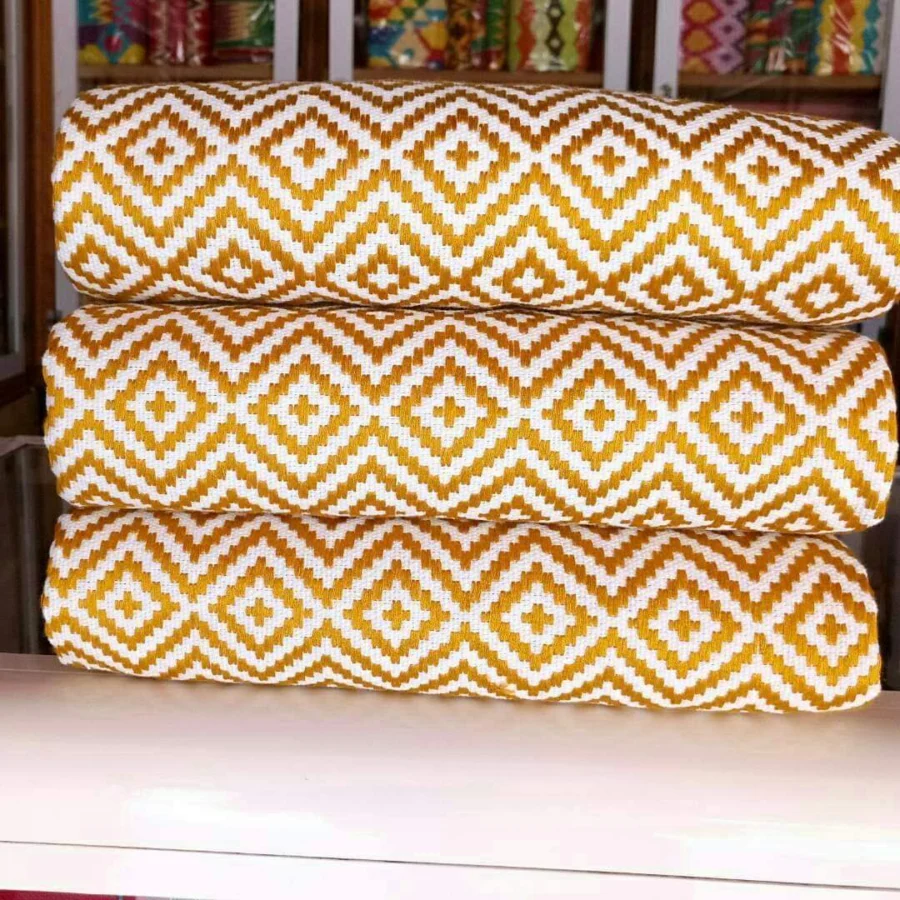
Featured Image: Vibrant Kente cloth displayed at a cultural festival.
Table of Contents
- Introduction
- What is Kente Cloth?
- A Brief History of Kente
- Kente in Ghanaian Traditions
- The Meaning of Colors and Patterns
- Wearing Kente Today
- Ethical Considerations When Buying Kente
- FAQs
- Summary
Introduction
Ghana, a vibrant nation on the West African coast, boasts a rich cultural heritage. Among its most iconic symbols is Kente cloth, a luxurious and intricately woven textile that speaks volumes about Ghanaian history, tradition, and identity. For Australians looking to learn more about global cultures, or perhaps seeking a unique connection to heritage, understanding Kente cloth provides a fascinating window into the heart of Ghana.
What is Kente Cloth?
Kente is a handwoven fabric, traditionally made of silk and cotton, originating from the Ashanti and Ewe people of Ghana. Its distinctive feature lies in its complex, geometric patterns and the brilliant array of colors. Each piece of Kente cloth is a work of art, taking weeks or even months to complete.
A Brief History of Kente
Legend says that Kente weaving originated when two friends observed a spider spinning its web and attempted to recreate the intricate designs. Originally, Kente was reserved for royalty and special occasions, signifying power, wealth, and spiritual well-being. Over time, its use has become more widespread, though it remains a highly valued and respected fabric.
Kente in Ghanaian Traditions
Kente plays a significant role in various Ghanaian traditions and ceremonies, serving as a visual representation of respect, celebration, and remembrance.
Marriage and Weddings
Kente is prominently featured in Ghanaian weddings. The bride and groom often wear matching or complementary Kente cloths, symbolizing their unity and commitment. The weaving of the cloth and the selection of specific colors and patterns can be customized to represent the couple’s families and their shared history. Kente is also often presented as gifts to the bridal couple, signifying blessings and prosperity.
Funerals
While brighter Kente cloths are worn for celebratory occasions, darker shades and specific patterns are often used during funerals. The colors worn at funerals symbolize grief, mourning, and remembrance of the deceased. The selection of the Kente cloth reflects the status and accomplishments of the person who has passed away and is a sign of respect.
Cultural Displays and Festivals
Throughout the year, Ghana hosts numerous cultural festivals where Kente is proudly displayed and worn. These events are opportunities to showcase the artistry and craftsmanship of Kente weavers and to celebrate Ghanaian heritage. From durbar festivals to independence day celebrations, Kente adds a touch of elegance and cultural significance to these events.
The Meaning of Colors and Patterns
The colors and patterns used in Kente cloth are not arbitrary; they hold deep symbolic meanings. Here are some common color associations:
- Gold: Wealth, royalty, spiritual purity
- Black: Mourning, spirituality, strength
- Red: Political passion, spiritual intensity
- Blue: Peace, harmony, love
- Green: Growth, renewal, spiritual rebirth
- White: Purity, innocence, festive occasions
- Yellow: Preciousness, royalty, wealth
Similarly, specific patterns carry distinct meanings, often representing proverbs, historical events, or philosophical concepts. Understanding these symbols adds another layer of appreciation for the artistry of Kente.
Wearing Kente Today
While traditionally worn as a toga-like wrap, Kente cloth is now incorporated into various modern garments and accessories. From dresses and skirts to bags and ties, Kente adds a touch of African elegance to contemporary fashion. It’s increasingly popular among the diaspora and those seeking to express their connection to African heritage. When wearing Kente, it’s important to do so with respect and understanding of its cultural significance.
Ethical Considerations When Buying Kente
When purchasing Kente cloth, it’s important to consider ethical sourcing. Support fair trade practices and seek out authentic, handwoven Kente directly from Ghanaian weavers or reputable organizations. This ensures that the artisans are fairly compensated for their work and that the cultural heritage is preserved.
FAQs
- Is Kente only for royalty? While traditionally reserved for royalty, Kente is now more widely worn, though still considered a prestigious fabric.
- How is Kente made? Kente is handwoven on a loom, a painstaking process that requires skill and patience.
- How do I care for Kente cloth? Dry cleaning is recommended to preserve the colors and fibers of Kente cloth.
- Where can I buy authentic Kente cloth in Australia? Look for reputable online stores specializing in African textiles or contact Ghanaian cultural organizations in Australia for recommendations.
Summary
Kente cloth is more than just a beautiful fabric; it’s a powerful symbol of Ghanaian history, culture, and identity. From weddings to funerals to cultural festivals, Kente plays a vital role in Ghanaian traditions. For Australians interested in learning about global cultures, understanding Kente provides a unique and enriching perspective. By appreciating the artistry, symbolism, and ethical considerations surrounding Kente, we can contribute to the preservation and celebration of this remarkable cultural heritage.