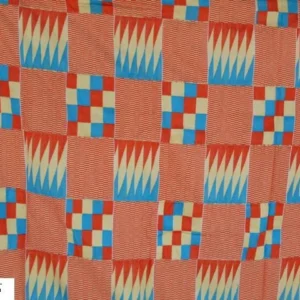
Kente Cloth: A Timeless Symbol of African Heritage
Kente cloth, a vibrant tapestry of interwoven threads, is more than just fabric; it’s a visual language, a symbol of history, royalty, and cultural pride. Originating from the Ashanti Kingdom in present-day Ghana, Kente has journeyed thru centuries, evolving from royal attire to a global emblem of African heritage.
A Royal Legacy: The History of kente
Table of Contents
Legend whispers of two brothers, Kurugu and Ameyaw, from the village of Bonwire, who stumbled upon a spider weaving an intricate web. Inspired by this natural artistry, they crafted their first loom and began weaving raffia fibers, eventually mastering the art of Kente. Initially reserved for royalty and spiritual leaders, Kente’s intricate patterns and vibrant colors represented prestige, power, and deep-rooted traditions.
Each design tells a story, conveying proverbs, past events, social status, or religious beliefs. For centuries, the knowledge of Kente weaving has been passed down through generations, preserving the rich cultural heritage embedded within each thread.
Unraveling the Threads: The Art of Kente Weaving
Kente is traditionally woven on a narrow strip loom, creating strips typically four inches wide, which are then meticulously sewn together to form larger pieces. The complex process involves intricate interlacing of warp and weft threads, demanding skill, patience, and a deep understanding of the craft.
- Warp Threads: These form the foundational structure of the cloth, running lengthwise on the loom.
- Weft Threads: These are interwoven through the warp, creating the patterns and colors.
| Material | significance |
|---|---|
| Silk | Represents royalty and wealth |
| Cotton | More accessible and commonly used |
| Raffia | Conventional material used in early Kente |
The Language of Color and Pattern
Kente’s vibrancy isn’t just aesthetically pleasing; it’s deeply symbolic. Each color carries its own meaning, adding layers of narrative to the overall design.
| Color | Meaning |
|---|---|
| Gold | Royalty, wealth, spiritual purity |
| Blue | Peace, harmony, love |
| Green | Growth, harvest, renewal |
| Red | Political passion, strong emotion |
| Black | Maturity, spiritual strength |
Kente in the Modern World: A Renaissance of Style
From high-fashion runways to everyday streetwear, Kente has transcended its traditional context to become a global fashion statement. Designers are incorporating Kente patterns into clothing,accessories,and home decor,bringing a vibrant touch of African heritage to the world stage.
more Than Fabric: kente’s Cultural Significance
kente cloth continues to play a vital role in African culture. It is indeed worn during critically important ceremonies, festivals, and celebrations, representing a tangible connection to ancestry and heritage. The wearing of Kente is a powerful expression of pride, identity, and cultural affirmation.
Preserving the Legacy: Supporting Kente Artisans
Supporting kente artisans is essential for preserving this ancient craft. By purchasing authentic Kente cloth, you are directly contributing to the livelihoods of skilled weavers and ensuring that this rich tradition continues to thrive for generations to come.
Conclusion
Kente cloth is more than just threads and colors; it’s a living testament to the ingenuity, creativity, and rich cultural heritage of the Ashanti people. From its royal origins to its modern-day resurgence, Kente continues to inspire and captivate, weaving a vibrant tapestry that connects the past with the present and the future.