Kente Cloth: A Powerful Symbol of Heritage adn Identity
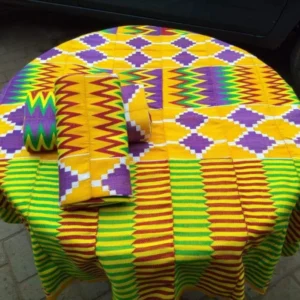
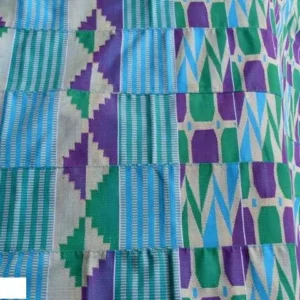
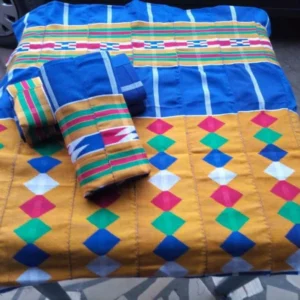
Kente cloth, a vibrant tapestry of interwoven silk and cotton, is more than just fabric; it’s a visual language, a narrative woven into every thread. Originating from the Ashanti Kingdom in present-day Ghana, Kente has evolved from a royal cloth reserved for kings and queens to a globally recognized symbol of African heritage, identity, and pride. Its intricate patterns and bold colors tell stories of history, philosophy, and social values, making it a powerful emblem of cultural continuity and resilience.
A Royal History: From Ashanti Royalty to Global Recognition
Table of Contents
- 1 A Royal History: From Ashanti Royalty to Global Recognition
- 2 The Art of Kente: A Legacy of Skilled Craftsmanship
- 3 Kente in the Modern World: From Tradition to Trend
- 4 Cultural Meaning: A Tapestry of Identity and Pride
- 5 Practical Tips for Appreciating and Caring for Kente
- 6 Conclusion: A Timeless Legacy Woven in Threads
The history of Kente is steeped in legend. One popular story recounts two brothers from the village of Bonwire, who learned to weave by observing a spider spinning its web. They then presented their frist woven cloth to the Asantehene, the Ashanti King, who embraced it as royal attire. Historically, Kente was worn exclusively by Ashanti royalty and spiritual leaders, signifying their status, wealth, and connection to the divine.
Each kente cloth tells a unique story. the patterns, colors, and even the names given to specific designs hold symbolic meanings. These meanings can represent proverbs, historical events, social status, or religious beliefs. For centuries, the intricate designs and vibrant hues of Kente have served as a visual expression of Ashanti history and philosophy.
The Art of Kente: A Legacy of Skilled Craftsmanship
Creating Kente cloth is a meticulous process, demanding patience, skill, and an intimate understanding of the tradition. Master weavers, often men, work on narrow strip looms, carefully interlacing silk and cotton threads to create the intricate patterns. these strips are then meticulously sewn together to form larger pieces, frequently enough resulting in complex geometric designs that resonate with symbolic meaning.
- Warp and Weft: The foundation of Kente lies in the interplay of warp (vertical) and weft (horizontal) threads. Skilled weavers manipulate these threads to create the distinctive patterns and textures.
- Natural Dyes: Traditionally,natural dyes derived from plants and minerals were used to create the vibrant colors of Kente,each color carrying its own symbolic weight.
- Symbolic Patterns: Kente patterns are far more than just aesthetic designs; they represent proverbs, historical events, social values, and spiritual beliefs.
| color | Symbolic Meaning |
|---|---|
| Gold | Royalty, wealth, spirituality |
| Black | Maturity, spiritual energy |
| Green | Growth, harvest, renewal |
| Red | Passion, political power |
| Blue | Peace, love, harmony |
Kente in the Modern World: From Tradition to Trend
Today, Kente cloth has transcended its traditional role to become a globally recognized symbol of African heritage. It’s seen on fashion runways, in art galleries, and in everyday wardrobes. Its vibrant colors and intricate patterns have inspired contemporary artists,designers,and musicians,solidifying its place in the global cultural landscape.
Cultural Meaning: A Tapestry of Identity and Pride
Kente cloth embodies more than just artistry and aesthetics; it represents a powerful connection to history, heritage, and identity.For people of African descent, wearing Kente is a way of reclaiming their heritage, celebrating their roots, and expressing their pride in their cultural identity.
Practical Tips for Appreciating and Caring for Kente
- Research and Understand: Before acquiring a piece of Kente, take the time to learn about its history, symbolism, and the cultural significance behind it.
- Support Authentic Artisans: Purchase Kente directly from artisans in Ghana or reputable retailers who support fair trade practices.
- Proper Care: Kente cloth is delicate and should be treated with care. Hand washing or dry cleaning is recommended to preserve its vibrant colors and intricate patterns.
Conclusion: A Timeless Legacy Woven in Threads
kente cloth stands as a testament to the enduring power of cultural heritage. Its journey from royal courts to global runways speaks volumes about its resilience, artistry, and profound cultural significance. By appreciating the history, symbolism, and craftsmanship behind Kente, we honour the legacy of the Ashanti people and celebrate the vibrant tapestry of African identity.