kente Cloth: Unveiling the Ancient Threads of Royalty and Ritual
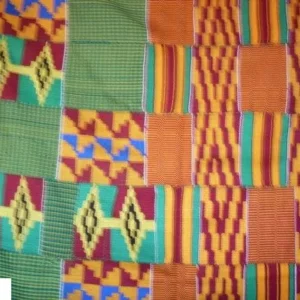
Kente cloth, a vibrant tapestry of interwoven silk and cotton, is more than just fabric; it’s a visual narrative of Ghanaian history, a testament to artistry, and a powerful symbol of African heritage.Originating among the Ashanti peopel of Ghana, Kente has evolved from royal regalia to a globally recognized emblem of cultural pride. This article delves into the intricate world of Kente, exploring its rich past, the meticulous weaving process, its modern interpretations, and the enduring legacy it carries into the future.
A Royal History: From Ashanti Kingdom to Global Icon
Table of Contents
Kente cloth’s origins are steeped in legend. Stories speak of two brothers, Kuragu and ameyaw, from the village of Bonwire, Ghana, who stumbled upon a spider weaving a splendid web. Inspired, they returned home and began experimenting with weaving raffia fibers, eventually developing the intricate technique that birthed Kente. Initially reserved for royalty and spiritual leaders within the ashanti kingdom, Kente’s vibrant colors and complex patterns represented prestige, power, and spiritual connection. Each design holds symbolic meaning, reflecting proverbs, historical events, social status, or religious beliefs.Over time, Kente transitioned from exclusively royal attire to a broader symbol of cultural identity, adopted by people of various ethnic backgrounds within Ghana and eventually gaining international recognition.
The Art of Kente: A Labor of Love and Skill
Creating Kente cloth is a meticulous process demanding patience, skill, and deep understanding of the tradition. The primary material is silk, and sometimes cotton, dyed in a spectrum of vibrant hues. Using a narrow strip loom, the weaver interlaces the threads, creating intricate geometric patterns. Traditionally, men were the primary Kente weavers, passing down their knowledge through generations.
- Warping: Preparing the lengthwise threads on the loom.
- Wefting: Weaving the crosswise threads through the warp.
- Pattern Creation: Carefully interlacing threads to form the desired design.
- Finishing: Securing the edges and ensuring the cloth’s structural integrity.
Decoding the Colors and Symbols
Kente’s vibrancy extends beyond its aesthetic appeal; each color holds symbolic weight. Such as, gold represents royalty and wealth, while green symbolizes growth and renewal.black signifies spiritual strength, and red frequently enough represents political power. The various geometric patterns, too, carry meaning, telling stories and conveying messages.
| Color | Meaning |
|---|---|
| Gold | Royalty, wealth, spiritual purity |
| Green | Growth, renewal, harvest |
| Blue | Peace, tranquility, harmony |
| Black | Spiritual strength, maturity, mourning |
| Red | Political power, passion, bloodshed |
Kente in the Modern World: A Global Fashion Statement
kente has transcended its traditional roots and emerged as a powerful statement in contemporary fashion. Designers across the globe incorporate Kente patterns and colors into their creations, from high-fashion runways to everyday attire.This global embrace of Kente not only celebrates its artistic beauty but also contributes to the preservation of this cultural treasure. From accessories to haute couture gowns, Kente adds a touch of vibrancy and cultural meaning to the fashion landscape.
Preserving the Legacy: Challenges and opportunities
While Kente’s popularity has grown, it’s crucial to address the challenges facing the traditional weaving communities. The influx of mass-produced imitations threatens the livelihoods of skilled artisans. Supporting fair trade practices and purchasing authentic kente directly from Ghanaian weavers helps preserve this ancient craft and empowers local communities.
The Future of Kente: Weaving a Vibrant Tomorrow
Kente cloth stands as a testament to the power of tradition, artistry, and cultural resilience. As it continues to evolve and adapt in the modern world, it’s imperative to support the artisans who dedicate their lives to preserving this vibrant heritage. By understanding the rich history, intricate craftsmanship, and profound symbolism embedded within each thread, we contribute to the enduring legacy of Kente cloth, ensuring its vibrant patterns continue to tell their stories for generations to come.