Kente Cloth: Unveiling the Ancient Threads of Royalty and Ritual
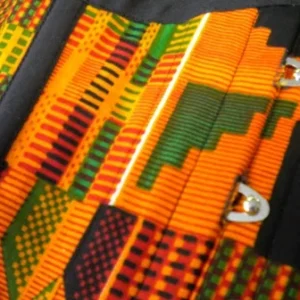
Kente cloth, a vibrant tapestry of interwoven threads, embodies more than just fabric; it represents a rich history, a complex cultural legacy, and a timeless artistic tradition. Originating from the Ashanti Kingdom in present-day Ghana, Kente has evolved from a royal cloth reserved for kings and queens to a globally recognized symbol of African heritage and pride.
A Royal History
Table of Contents
Legend whispers of two brothers, kuragu and Ameyaw, stumbling upon a spider weaving an intricate web. Inspired, they returned to their village of Bonwire and recreated the mesmerizing patterns on a simple loom, birthing the art of Kente weaving. Over centuries, Kente became intrinsically tied to Ashanti royalty, with specific designs and colors reserved exclusively for the Asantehene, the supreme ruler.
The Language of Color and Pattern
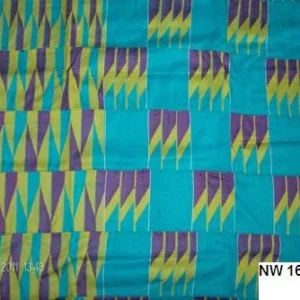
Each Kente cloth tells a story through its intricate patterns and vibrant colors. The designs, known as nwontoma, hold symbolic meanings representing proverbs, historical events, social status, and even religious beliefs.The colors themselves are imbued with profound importance:
| Color | Meaning |
|---|---|
| Gold | Royalty, wealth, and spiritual purity |
| Yellow | Fertility, preciousness, and royalty |
| Green | Growth, harvest, and spiritual renewal |
| Blue | Peace, harmony, and love |
| Red | Political and spiritual moods, bloodshed and death |
| Black | Maturity, intensified spiritual energy, and mourning |
The Art of Kente Weaving
Creating Kente cloth is a labor-intensive process requiring skill, patience, and a deep understanding of the tradition. Weavers, predominantly men, use narrow strip looms to create strips of cloth, typically four inches wide. These strips are than meticulously sewn together to form the larger cloth. The intricate patterns are created using weft-faced weaving techniques, where the weft yarns, running horizontally, are dominant and create the visible design.
Kente in the Modern World
Kente has transcended its royal origins and become a powerful symbol of African identity and heritage, embraced by the African diaspora worldwide. From graduations to weddings, Kente is worn with pride, representing a connection to ancestral roots. Its vibrant colors and bold patterns have also inspired designers in the fashion world, appearing on runways and influencing contemporary styles.
Preserving the Legacy
Sustaining the tradition of Kente weaving remains a vital focus. Organizations and initiatives in ghana are working to support Kente weavers, ensuring their craft continues to thrive. By promoting fair trade practices and encouraging young generations to learn the art, they safeguard the future of this rich cultural heritage.
Practical Tips for Appreciating kente
- When purchasing authentic Kente cloth, look for imperfections – a sign of handwoven craftsmanship.
- Learn about the symbolism of the colors and patterns. This adds depth to your appreciation.
- Support fair trade practices and artisans directly whenever possible.
- Care for your Kente cloth by hand washing or dry cleaning.
Beyond the Threads
Kente cloth is more than just a textile; it’s a living testament to the ingenuity, artistry, and rich history of the Ashanti people. Its enduring legacy continues to inspire, connect, and empower generations, weaving a vibrant tapestry of cultural pride that resonates far beyond the threads themselves.